Aisle Trends and Steady Shelf Demand
Some aisles of a supermarket barely change from week to week, and that steadiness is exactly what makes them worth reading closely. This page collects our editorial notes on the categories that keep moving, the small shifts in shelf layout, and what a repeat weekly shop says about household habits. If you are new to this corner of the subject, start with our overview of grocery demand before going further.
Editorial Notes on Shelf Trends
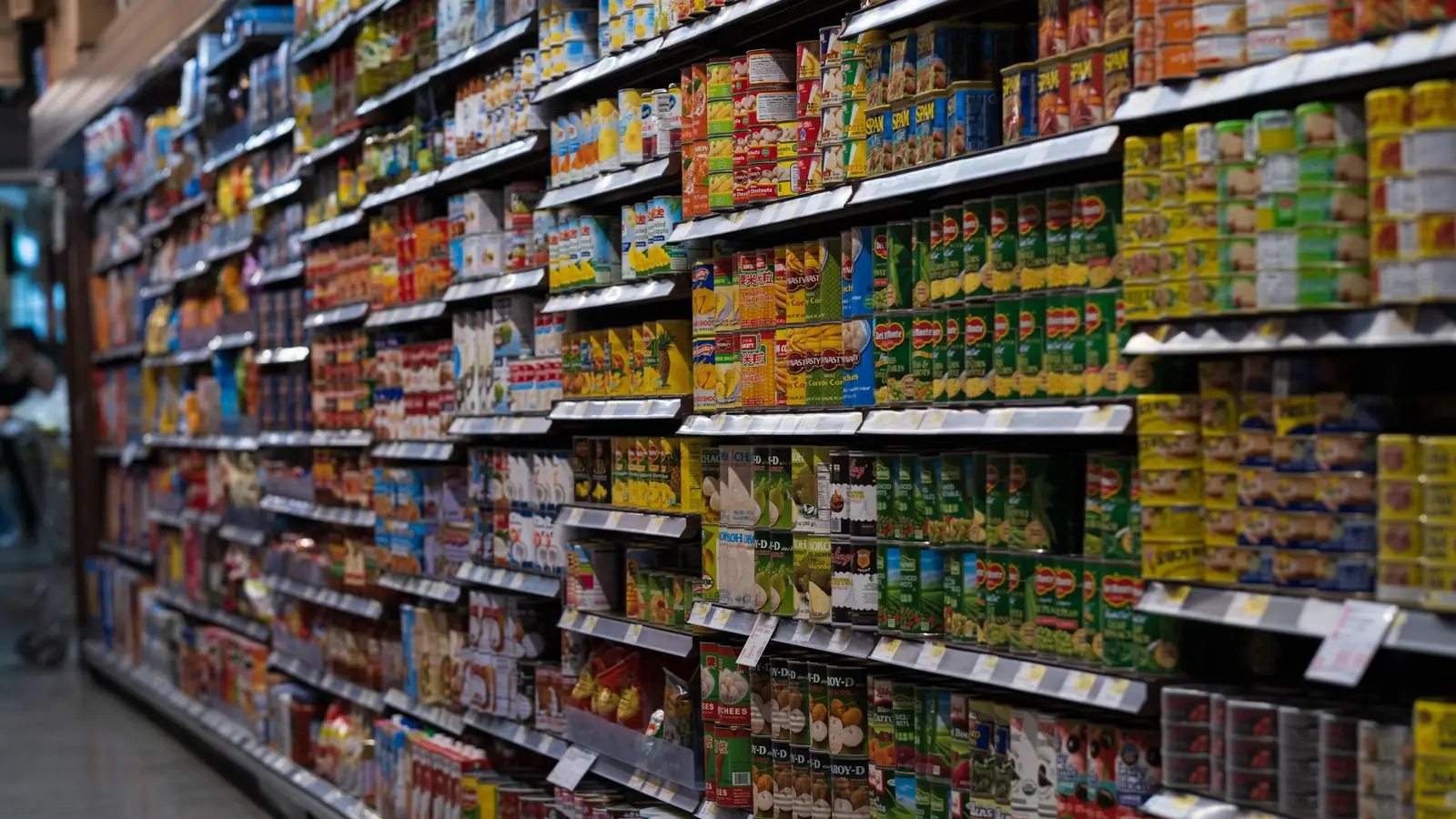
Staple categories — pasta, rice, oils, flour, canned vegetables, coffee and tea — hold their shelf space year after year because households replace them on a predictable rhythm. When a store reshuffles these aisles, it usually reflects supply logistics rather than a change in appetite. The demand itself stays quiet and remarkably stable.
Layout tells its own story. Eye-level rows turn over fastest, while lower shelves collect larger pack sizes and value ranges aimed at planned shopping. Watch how a category expands: when a section gains a second or third facing, the store has observed sustained pull from enough baskets to justify the space.
What Moves and What Settles
Seasonal aisles breathe — barbecue goods in summer, baking staples in winter — but the core grocery rows barely flex. New products usually enter at a promotional end cap first and only migrate into the permanent aisle after repeat purchases prove them. A brand that survives two seasonal cycles on the main shelf has, in effect, passed a quiet public examination.
Private labels deserve patient attention. Across many European markets, store brands have crept from the budget tier into mid-range and even premium positions, often occupying the former shelf space of weaker national brands. The label on the pack changes faster than the layout around it.
Reading Your Own Basket
A single weekly receipt is a small document of habit: the same grains, the same dairy, the occasional treat that quietly becomes routine. Comparing several weeks reveals which items are fixed and which drift, and that split mirrors what supermarkets see at scale. For a closer look at the planning side of this habit, see our page on the weekly basket and household planning.
We keep these notes deliberately general. They describe patterns visible in any large supermarket rather than any single chain or market, and we revise them as habits shift.
Common Questions About Aisle Trends
Why do staple aisles look the same in most supermarkets?
Staples follow replacement logic: households buy them on a rhythm, so stores place them in predictable, easy-to-navigate positions. A familiar layout shortens the shopping trip, which in turn keeps the steady demand steady.
What does it mean when a category gains more shelf space?
Shelf space is allocated to sales per metre of shelf. When a category earns additional facings, enough baskets have repeatedly included it to justify the expansion. It is one of the most honest signals of durable demand a store can give.
Are private labels really replacing national brands?
In many categories store brands have taken over mid-range shelf positions that national brands once held. The change is gradual and uneven — premium and strongly differentiated brands tend to keep their place, while me-too products lose facings first.
How often do supermarkets change their layout?
Major reshuffles are rare, because regular customers value orientation. Small adjustments — new end caps, seasonal blocks, a brand switching rows — happen continuously, and the main grocery aisles are usually the last to move.
Have a question we did not cover? Write to the desk through the contact page and we may add it here.