Fresh Counters: Where Demand Gathers
Fresh counters sit at the heart of every supermarket. The deli, the bakery and the produce section pull shoppers in before any aisle sign does. This page looks at how these counters work, why freshness attracts steady demand, and what a weekly shopper can read from the way the display is arranged.
Notes from the Counters
The deli and the pull of the glass counter
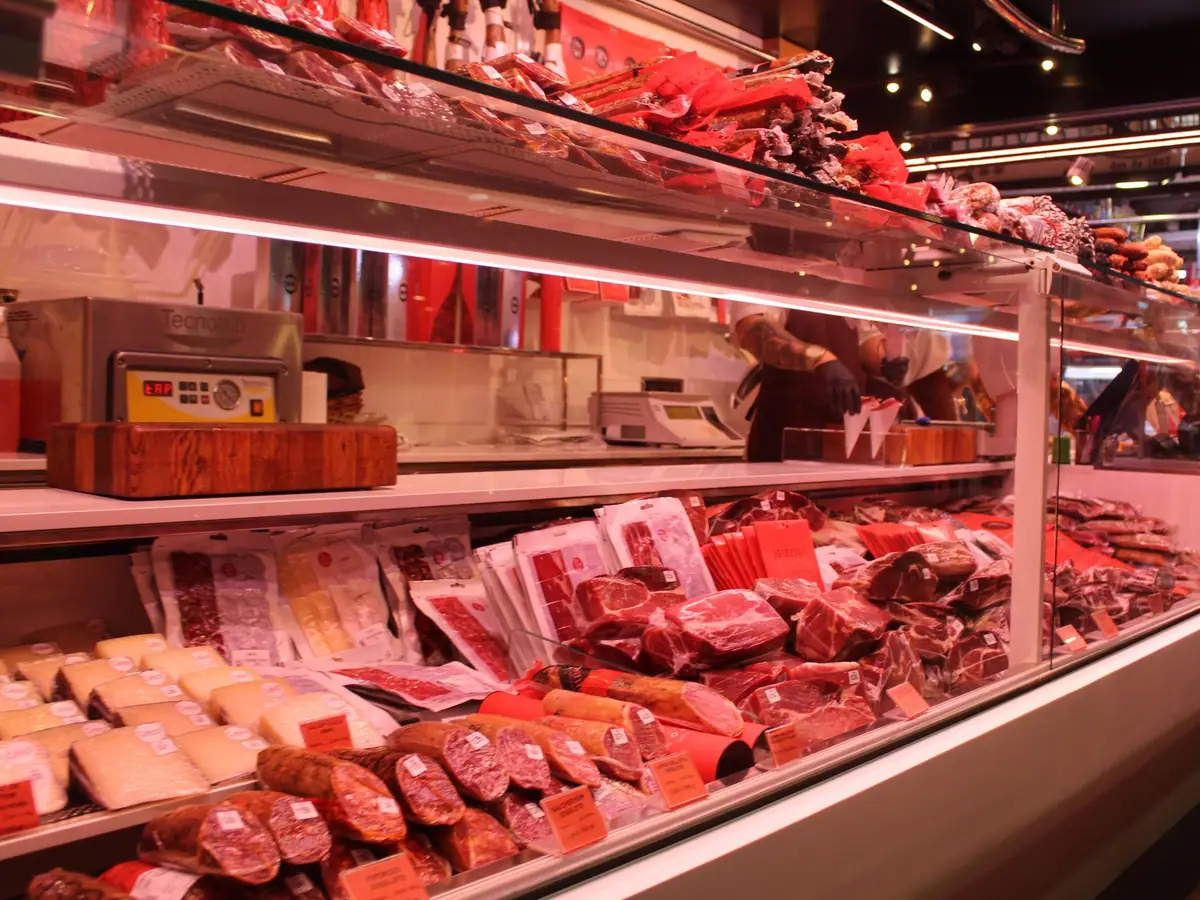
The deli counter works like a small stage. Sliced cheeses, cured meats and prepared salads are arranged at eye level behind clean glass, and the person behind the counter remains part of the attraction. Shoppers slow down here, ask questions and often buy more than they planned. Slicing to order turns a simple purchase into a short conversation.
Seasonal products move to the front as the year turns. In colder months, heavier meats and aged cheeses take the visible rows; in summer, lighter salads and fresh mozzarella push forward. A well-run counter reflects the calendar without a single printed sign.
The bakery and the promise of the morning
Bread aroma does most of the selling. Baking in small batches through the day keeps the shelf warm and the stock low, which signals freshness better than any label. Rows of crusty loaves, soft rolls and regional specialties create a display that changes by the hour. Demand peaks early and again in the late afternoon, and counters that rest on schedule keep both waves served.
Produce and the logic of the display
Fruit and vegetables carry the first impression of the whole store. Colour is arranged in deliberate blocks, ripe items sit within easy reach, and leafy greens are misted on a fixed rhythm. Seasonality sets the price rhythm too: local crops arrive in volume and take the centre tables, while imported goods hold the edges. A shopper who reads the layout can often tell which week of the season it is by the crates on show. For a wider view of how shelves behave week to week, see our notes on aisle trends.
How a weekly shopper uses the counters
A steady household plan treats fresh counters as the flexible part of the basket. Dry goods come from the aisles on a fixed list, while the deli, bakery and produce sections absorb whatever looks best that day. Shopping the counters first, then filling the rest around them, keeps the weekly basket varied without extra cost. If you want our approach to writing and checking pages like this one, read how we work.
What the counters say about demand
Fresh counters are where demand is most visible. Queues form, trays empty and get replaced, and the pace of restocking tells the store more than any dashboard. When a counter runs quietly all day, the display usually needs work; when it runs out by noon, the week has shifted. Reading these signals is part of what we cover on the Qavijou front page.
Common Questions
Why do fresh counters sit at the far side of the store?
Placing bakery and produce deep inside the shop guides shoppers past the shelves on the way. The walk builds basket size, and the aroma and colour of the counters reward the trip. It is a layout habit used across most supermarkets.
Do fresh counters change with the seasons?
Yes. Displays follow the harvest calendar: local fruit and vegetables take the centre in season, deli ranges shift between heavier and lighter products, and bakery assortments follow the same yearly rhythm.
Is counter food fresher than packaged food on the shelf?
Counter products are usually moved faster, because they are sliced or served on the spot and restocked in small amounts. Packaged goods hold longer by design. Both can be good; the difference is in turnover, not quality.
What is the best time of day to shop fresh counters?
Early morning offers the fullest bakery rows, while late afternoon brings a second bake in many stores. Deli counters are quietest mid-morning, when slicing to order takes the least time.
Does Qavijou sell groceries or run a counter?
No. Qavijou is an editorial desk. We write about supermarket shelves, fresh counters and weekly shopping habits; we do not operate a store or sell products.